Quick Summary
Texas Holdem rules for bluffing Malaysia can be understood as a practical decision system: choose the right opponent, represent a believable hand, size your bet correctly, and know when the board texture supports your story. In 2026, Malaysian players are more mobile-first, more solver-aware, and more cautious about river calls than ever, so profitable bluffing requires discipline rather than random aggression.
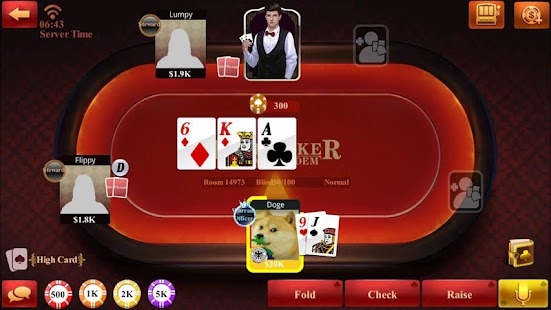
- Best bluffing spots usually come from late position, especially the cutoff and button.
- Semi-bluffs with flush draws, straight draws, and overcards are safer than pure bluffs.
- Do not bluff players who call too often; value bet them instead.
- Bet sizing should pressure the opponent without risking more than the hand deserves.
- Texas Hold’em has no slot-style RTP, but rake, variance, and expected value matter.
| Key Facts | What Malaysian Players Should Know |
|---|---|
| Game Type | No Limit Texas Hold’em poker, played against other players rather than the house. |
| Main Bluffing Edge | Fold equity, position, board texture, and opponent profiling. |
| Best Bluff Type | Semi-bluffing, because the hand can still improve if called. |
| Common Mistake | Bluffing calling stations or betting too small on dangerous boards. |
| Volatility Level | Medium to very high, depending on how aggressive your bluffing range is. |
| Malaysia Context | Players should understand local laws, platform rules, responsible play limits, and rake structures. |
| 2026 Trend | More players study GTO concepts, but exploitative reads remain valuable in live and online games. |
Overview: What Bluffing Really Means in Texas Hold’em
Texas Holdem rules for bluffing Malaysia are not official rulebook clauses like blinds, hole cards, or showdown procedure. They are strategic principles that help a player decide when deception is mathematically and psychologically justified. A bluff is profitable only when the opponent folds often enough to make the risk worthwhile. If your opponent never folds top pair, your dramatic river shove is not brave; it is expensive.
Texas Hold’em is popular because it combines visible community cards with hidden private cards. Every player receives two hole cards, then uses them with five community cards to make the best five-card hand. The structure creates uncertainty, and uncertainty creates the opportunity to bluff. The stronger your ability to read ranges, board textures, and betting patterns, the more powerful your bluffing decisions become.
In Malaysia, poker interest is shaped by a tech-savvy audience, mobile gaming habits, regional tournaments, and casino tourism. However, players must always be aware of legal restrictions and only participate where the activity is permitted. This guide discusses strategy and education, not a guarantee of winnings. Texas Holdem rules for bluffing Malaysia should be applied with responsible bankroll management and respect for local regulations.
The Core Idea: Tell a Credible Story
The best bluff is not the biggest bet; it is the most believable one. If you raise before the flop, bet on an ace-high flop, bet again on a blank turn, and apply pressure on the river, your line can credibly represent a strong ace, two pair, or a set. But if you check passively on every street and suddenly overbet when a flush completes, many thinking players will question whether your story makes sense.
This is why Texas Holdem rules for bluffing Malaysia begin with consistency. Your preflop range, position, bet sizing, and timing must connect logically. Good opponents do not only ask what you might have; they ask whether your entire sequence supports the hand you are representing.
How to Play: Bluffing Rules by Street
Preflop: Build a Range You Can Represent
Preflop decisions determine what hands you can credibly claim later. A tight early-position raise suggests stronger holdings, while a button raise can include suited connectors, broadways, small pairs, and carefully chosen bluffs. When you understand your range, you can choose postflop bluffs that make sense.
A major part of Texas Holdem rules for bluffing Malaysia is avoiding random preflop aggression. Three-betting with complete junk against a player who never folds is rarely profitable. Three-betting suited aces or suited connectors against a disciplined opener can be better because you have blockers, playability, and future board coverage.
Flop: Use Board Texture to Your Advantage
The flop is where many Malaysian recreational players become sticky. They call with any pair, overcards, backdoor draws, or simple curiosity. That does not mean you should never bluff the flop; it means your continuation bets need a purpose. Dry boards such as ace-seven-two rainbow often favor the preflop raiser. Wet boards such as nine-eight-seven with two suited cards connect with many calling ranges.
Texas Holdem rules for bluffing Malaysia recommend bluffing more often when the board favors your perceived range. If you raised preflop and the flop comes king-five-two rainbow, your small continuation bet can work because you represent strong kings, overpairs, and high-card pressure. If the flop smashes the caller’s range, slow down unless you have a strong draw or a clear read.
Turn: Apply Pressure on Scare Cards
The turn is the most important street for serious bluffing. Pot sizes grow, ranges narrow, and many opponents reveal whether they are comfortable or uncertain. A scare card is a turn card that changes the perceived strength of hands. An ace, king, third suited card, or straight-completing card can create fear if it fits your story.
For example, if you raise preflop, bet a queen-high flop, and the turn brings an ace, a second barrel can be convincing. You can represent ace-queen, ace-king, or a strong delayed value line. Texas Holdem rules for bluffing Malaysia encourage turn aggression only when the card improves your represented range more than your opponent’s range.
River: Bluff Less Often, But More Decisively
The river is where weak bluffs get punished. There are no more cards to come, so your opponent only needs to decide whether your value range is credible. Many players in Malaysia are cautious on the river when facing large bets, but calling stations still call too frequently. Your job is to know the difference.
A profitable river bluff targets an opponent capable of folding. It also uses blockers. If you hold the ace of a completed flush suit, you block the strongest flushes your opponent can have, making a bluff more attractive. Texas Holdem rules for bluffing Malaysia treat blockers as supporting evidence, not magic. A blocker helps, but the line must still be believable.
Bonus Features: Advanced Bluffing Tools and Player Reads
Semi-Bluffing: The Safest Weapon
Semi-bluffing means betting with a hand that is not currently best but can improve. Examples include nut flush draws, open-ended straight draws, combo draws, and overcards with backdoor equity. This is often the most reliable form of bluffing because you can win immediately when the opponent folds or win later when your draw arrives.
Among all Texas Holdem rules for bluffing Malaysia, the semi-bluff rule is the easiest to apply. If your hand has equity, your bet does not rely entirely on fear. You are combining fold equity with card equity. That balance reduces the damage when called and increases your long-term expected value.
Position: Information Is a Bonus Feature
Position is not a side detail; it is a core advantage. When you act last, you see whether opponents check, bet, hesitate, or size awkwardly. The button and cutoff are premium bluffing seats because they allow you to control pot size and apply pressure after others show weakness.
Texas Holdem rules for bluffing Malaysia strongly favor late-position bluffs over early-position bluffs. Bluffing out of position is harder because you must act first on later streets. Without information, you risk building a large pot against a range you cannot accurately define.
Player Types: Who to Bluff and Who to Value Bet
The biggest mistake is believing every opponent can be bluffed. Some players are proud callers. Some are suspicious by nature. Some hate folding any pair. Against these players, bluffing becomes low value. Instead, bet your strong hands larger and let them pay you.
Target tight-aggressive opponents who understand hand strength and can fold medium holdings. Also target players who overfold to turn and river pressure. Texas Holdem rules for bluffing Malaysia reward observation: note who folds to continuation bets, who check-raises draws, who slowplays monsters, and who calls down with weak pairs.
Bet Sizing: Make the Price Uncomfortable
A bluff must offer the opponent a difficult decision. If the pot is 100 and you bet 20, many opponents can call with almost anything. If you bet 65 to 80 on a scary board, the decision becomes more serious. However, oversized bluffing without a story burns chips quickly.
Good sizing depends on ranges, stack depth, and the board. Texas Holdem rules for bluffing Malaysia usually support smaller bets on dry boards and larger bets on polarizing turn or river cards. Polarized means you represent either a very strong hand or a bluff, not a medium-strength hand.
RTP/Volatility: Poker Economics, Rake, and Risk
Why Texas Hold’em Has No Fixed RTP
Slots and many table games have a theoretical return to player. Texas Hold’em does not work that way because you compete against other players. The card room or platform usually earns money through rake, tournament fees, or service charges. Your return depends on your skill relative to the pool, your table selection, your bankroll discipline, and your ability to avoid emotional decisions.
For this reason, Texas Holdem rules for bluffing Malaysia must include rake awareness. A marginal bluff that looks profitable before rake may become unprofitable after fees. In low-stakes games, rake can significantly affect win rate, so avoid small, thin, ego-driven bluffs in pots where the cost structure is unfavorable.
Volatility and Bankroll Management
Bluffing increases variance. A tight value-heavy style may produce slower but steadier results. A loose-aggressive style can win large pots but also creates larger downswings. Neither style is automatically superior; the correct approach depends on table dynamics and your emotional control.
Texas Holdem rules for bluffing Malaysia should always be paired with bankroll rules. Cash game players should avoid risking money they cannot afford to lose, and tournament players should expect long stretches without a major result. If a failed bluff makes you chase losses, step away. Tilt destroys more bankrolls than bad cards.
GTO Versus Exploitative Bluffing
Game Theory Optimal concepts help players understand balanced bluff-to-value ratios. In theory, a balanced river betting range makes opponents indifferent between calling and folding. In practice, many Malaysian games still contain exploitable tendencies. Some players overfold to aggression; others call far too wide.
The modern winner blends both approaches. Use GTO as a foundation, then adjust. Texas Holdem rules for bluffing Malaysia are most powerful when you know the baseline strategy and also recognize when a specific opponent is making predictable mistakes.
Common Bluffing Mistakes in Malaysia
Bluffing Without Fold Equity
Fold equity is the chance your bet makes the opponent fold. If the opponent is pot-committed, emotionally attached, or priced in, your fold equity is low. Bluffing in that spot is usually a leak. Watch stack-to-pot ratio carefully. When stacks are shallow relative to the pot, opponents call more often because folding feels mathematically painful.
Ignoring Table Image
If you have been caught bluffing three times in an hour, your next bluff will receive less respect. If you have shown only strong hands, your bluff may work more often. Texas Holdem rules for bluffing Malaysia require image management. Sometimes the best setup for a future bluff is showing down a legitimate value hand today.
Using the Same Line Too Often
Repeating the same continuation bet, turn barrel, and river shove pattern makes you predictable. Strong opponents adapt quickly. Mix in checks with strong hands, delayed continuation bets, and selective give-ups. Bluffing is not about constant pressure; it is about timely pressure.
Practical Checklist Before You Bluff
- Opponent: Can this player fold a decent hand?
- Position: Do you have informational advantage?
- Board: Does the texture favor your range?
- Story: Do your previous actions represent value?
- Blockers: Do your cards reduce the chance your opponent has the nuts?
- Stack Depth: Is the opponent able to fold, or are they pot-committed?
- Emotional State: Are you making a strategic decision or reacting to frustration?
If you cannot answer most of these questions clearly, do not bluff. Texas Holdem rules for bluffing Malaysia are about selectivity. The money is not made by bluffing every pot; it is made by choosing the few spots where pressure is logical and profitable.
FAQ
Q: Are Texas Holdem rules for bluffing Malaysia different from normal poker rules?
Q: What is the best bluff for beginners?
Q: How often should I bluff in Texas Hold’em?
Q: Is a big river bluff a good strategy?
Q: Do blockers really matter when bluffing?
Final Verdict
Texas Holdem rules for bluffing Malaysia are best understood as a disciplined framework: represent believable value, attack the right opponents, use position, respect stack depth, and manage volatility. Bluffing is not acting fearless. It is applying pressure when the math, psychology, and board texture align.
In 2026, the strongest Malaysian poker players are not simply aggressive; they are selective, observant, and adaptable. Learn the fundamentals, protect your bankroll, follow applicable laws, and remember that the most profitable bluff is often the one you decide not to make.